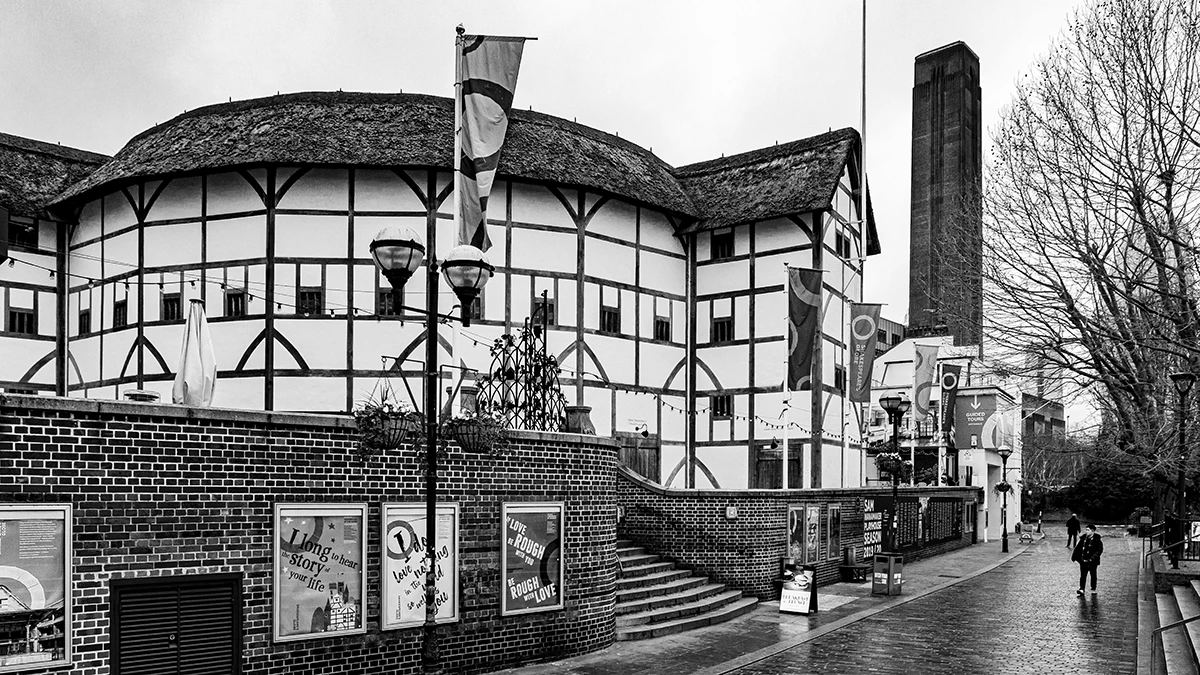
Shakespeare and literary English in modern life



Did you know that much of the English we use today has been shaped by Shakespeare’s English? Between roughly 1590 and 1613, William Shakespeare wrote plays for London audiences that helped define how English could sound, feel and express emotion. More than 400 years later, his influence is still present in everyday speech, literature, film and professional communication.
When people talk about Shakespearean English, they often imagine old-fashioned language. But in reality, a lot of Shakespeare’s language has become part of modern English itself. Words, phrases and ways of expressing ideas have stayed with us in surprising ways. This makes Shakespeare not just a historical figure, but a continuing presence in how we communicate.
This guide explores how Shakespearean English continues to shape modern language, why it still matters, and how it can enhance your English language skills.
Table of Contents
Quick-links menu
- How Shakespeare changed the English language
- Cultural capital – why knowing Shakespeare matters
- Shakespeare in modern film and literature
- Shakespeare phrases and quotes in everyday English
- Test your Shakespeare knowledge
How Shakespeare changed the English language
Shakespeare expanded English in powerful and creative ways:
- creating new words from existing roots
- turning verbs into nouns and nouns into verbs
- building vivid, memorable phrases
- using imagery that audiences could instantly understand
Many expressions we now see as normal English began life as Shakespearean language on the stage.
For example, phrases like ‘wild goose chase’ or ‘good riddance’ were once dramatic lines spoken by characters. Over time, they became part of everyday speech.
Learn more words and idioms invented by Shakespeare in our guides:
Cultural capital – why knowing Shakespeare matters
One important reason Shakespeare English still matters today is something called cultural capital. Cultural capital means the knowledge and cultural references that people often mention in social, academic or professional situations.
In simple terms, cultural capital is what helps you:
- understand references in conversations, films or books
- communicate confidently in formal and informal settings
- make a good impression in school or work
Shakespeare is a key part of this shared cultural knowledge in English-speaking countries. Recognising Shakespeare’s language or references can help you understand meaning more quickly and feel more included in conversations.
The British Council has also explored the global importance of Shakespeare through its Shakespeare Lives programme, which highlights how his work continues to connect cultures and languages around the world:
Shakespeare in modern film and literature
Shakespeare’s influence is present in some of the most well known films of the 20th and 21st century. Some well-known examples include:
- Romeo and Juliet by Baz Luhrmann, which keeps the language of the play but moves the action of the play to modern-day Verona Beach
- West Side Story which adapts the plot of Romeo and Juliet to gang rivalry in New York City in the 1960s
- The Lion King, which is a retelling of Hamlet in a pride of lions.
- Ten Things I Hate About You, which is set in an American high school in the 90s and follows the plot of The Taming of the Shrew
Many famous writers have also used the plots of Shakespeare plays as inspiration for their novels. Some examples are:
- Nutshell by Ian McEwan, an inventive retelling of Hamlet from the perspective of an unborn baby in the womb
- New Boy by Tracy Chevalier, a reimagining of Othello played out among eleven-year-olds in a playground in 1970s Baltimore
- Hag-Seed by Margaret Atwood, which transfers the plot of The Tempest to a modern Canadian prison
Recognising these references can help to build your confidence when watching films or reading texts where Shakespeare language is used in subtle or adapted ways.
Shakespeare phrases and quotes in everyday English
Shakespeare’s phrases often appear in conversation without people realising their origin.
Examples include:
- ‘foregone conclusion’
- ‘wild goose chase’
- ‘break the ice’
- ‘in a pickle’
These phrases are now fully part of everyday English. They are used in workplaces, exams, and social conversations to express ideas quickly and clearly.
To explore more examples, visit our guides:
Test your Shakespeare knowledge
Understanding Shakespeare English is not just about reading old texts. It is also about recognising how his ideas appear in modern language.
If you would like to test your understanding of Shakespeare language, try our Shakespeare vocabulary quiz. It is a fun way to explore how much Shakespearean English you already recognise in everyday use.
Continue your Shakespeare journey
Shakespeare’s English still influences how we speak, write and understand meaning today. From everyday expressions to cultural references in film and literature, his impact on our language continues to be visible in modern life.
If you’re learning English, the connections between Shakespeare and modern language and culture are important to understand. This knowledge supports real-world communication skills, helps build cultural understanding, and strengthens your confidence in using English in different contexts.
To continue your learning, explore our related guides:
- Everyday words Shakespeare invented
- Idioms and phrases Shakespeare invented
- Shakespeare insults explained
- Shakespeare phrases still used today
- Shakespeare quotes explained in simple English
- Shakespeare vocabulary quiz
Ready to improve your English?
Don’t miss the current offer on British Council English Online Gold and Platinum packages, which includes a free 7-day trial so you can experience flexible, guided learning before you commit.