Origins of card writing and giving: history of greeting cards


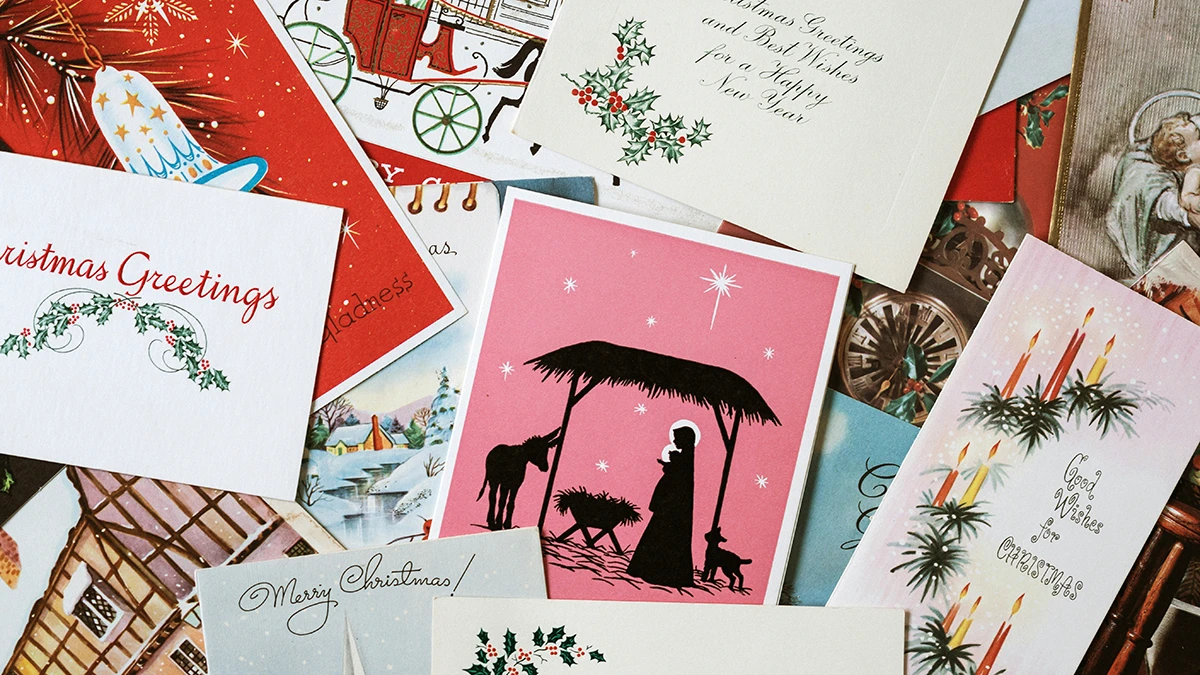
You might have noticed that on certain occasions such as getting a promotion at work, moving to a new home, celebrating a birthday, or passing an exam, people give greeting cards to mark a moment and wish someone well. For the person giving the card, a few handwritten words can create a sense of connection and make an occasion feel more personal. For the person who receives it, it shows that someone has thought about them on a deeper level.
The occasions we mark with cards – and what they mean – can vary greatly from one culture to another. In this blog, we’ll explore where these card writing traditions came from, the history of greeting cards, and how card-giving has developed around the world.
If you want to know more about the language and writing behind greeting cards, check out this article.


Table of Contents
The history of greeting cards
The idea of sending written greetings is much older than the greeting card itself. People have used letters, notes and other written messages to mark important occasions and send good wishes for centuries. However, the greeting card as we know it today started in the UK during the 19th century.
In 1843, an artist was commissioned to create a card for Christmas. Around 1,000 copies were printed, which made it the first ever mass produced greeting card. As printing technology improved and the postal service became more accessible, sending cards became more and more common, and card writing traditions began for lots of different occasions – not just Christmas.
Card-giving around the world
As the UK has a long history of greeting cards, there is a particularly strong card-writing tradition, and for every possible occasion you can think of – a get well soon card, a thinking of you card, a congratulations on your … card – the list goes on. In fact, the Greeting Card Association says that the UK sends more cards than anywhere else in the world!
In the UK, a card shows that you’re recognising an event and how meaningful it is to the person receiving it.
The US also takes greeting cards seriously, as does Australia. But the importance of greeting cards continues to grow in countries such as Japan, where people sometimes send New Years’ cards on January 1.
Where a card matters less than showing up
For some cultures and communities, there might not be a strong card-writing tradition, so showing that you care may be done better by being there in person, sharing a meal, speaking over the phone, or visiting the person who is marking the occasion.
This is particularly important during difficult times in someone’s life. For example, when someone is ill or is going through a challenging time, it might be seen as more thoughtful or respectful to give a spoken expression of sympathy, rather than writing it. But it also could be the opposite. This all depends on the person and their preference.
Occasions that don’t always translate
Even when people in different countries celebrate the same occasion, they may not celebrate it in the same way. Speaking or writing your thoughts are both different ways to express your emotions towards someone. However, it’s worth thinking about, and understanding, the cultural differences between the two forms of conveying your message, especially if you’re spending time with people from a different background to yours.
For example, an event that normally calls for a card in one culture might be marked with a gift, a meal or a gathering somewhere else.
And a card and a gift can also have different roles. Sometimes a card is the main gesture, particularly when the aim is simply to express congratulations, sympathy or good wishes. On other occasions, a Thank you card might accompany a present.
Valentine’s Day offers an interesting example of marking occasions differently. In the UK, the card-writing tradition is for people to exchange cards with a romantic partner or someone they have feelings for. In Japan, Valentine’s Day has traditionally involved women giving chocolates to men, while White Day on March 14 is associated with men giving gifts in return.
The same can apply to birthdays. A birthday card may be an important part of the celebration in one culture, while in another, spending time together or giving a present may be the more important gesture.
If you’re living or working in a culturally different environment, learn what is the custom to mark significant occasions or to wish someone well. It could save you from some potentially awkward situations!
What might surprise you about English-speaking card norms
If you come from a culture where greeting cards are mainly associated with major celebrations, some card-giving customs in English-speaking countries may take a little getting used to.
For example, one thing you might notice is that cards are not always reserved for big occasions. In the UK, it’s common to give a card to someone starting a new job, leaving a job or moving house. In these situations, the card is not necessarily about the size of the event. Instead, it can be a way of recognising what someone is experiencing and showing that you’re thinking about them. A card can essentially say, I noticed this moment in your life, and I wanted to acknowledge it.
One example is in the workplace. When a colleague leaves, it’s often common for lots of different people to sign the same goodbye card. But this is not a rule – it can depend on the relationship of colleagues within the company, the formality and hierarchy of the employees, and the occasion itself. To find out more, take a look at our blog about when to send a card in the workplace.
Why this matters for your English writing
Learning a language involves more than knowing what words mean. It also means understanding when, where and how those words are used.
Greeting cards are a small but useful example of this. The language you use depends on the occasion, your relationship with the person and the kind of message you want to communicate to them. A message to a close friend might be warm and informal, while one for a colleague may need to be friendly without being too personal. It’s important to get this right.
That being said, there’s no single correct way to express your feelings. The history of greeting cards shows how different cultures have developed their own ways of marking important moments, and understanding these traditions is a useful thing to remember.
The next time you find yourself wondering whether a card is appropriate for a particular occasion, look beyond the actual greeting card. Understanding different card-writing traditions can help you think about what the gesture is communicating, the language you are using, who you are communicating with and what is considered appropriate in that context.
Want to learn more authentic language in real-world contexts? Don’t miss the current offer on Gold and Platinum English learning programmes.